I’ve been thinking a lot about how building brand trust measures success in business. For the longest time, the standard metrics have been clicks, leads and conversions. But the more I dive into building a brand that feels human and real, the more I realize that the real metric—the one that matters—is trust. Building brand trust to be specific.
It hit me when I was working on the GLW website and thinking about how to make the brand stand out. I kept circling back to one phrase: "Trust is the new conversion metric." It just made sense. In a world full of slick marketing and quick hits, trust is what keeps people coming back. It’s what turns a one-time interaction into a long-term relationship.
I love using AI, I even named my assistant Celeste. But at the end of the day, we all want to connect with real humans. Our consciousness craves connection. We want to know that the person or brand we’re interacting with has our best interests at heart. In today’s world, building brand trust is the key to lasting connections.
When I think about it, building brand trust isn’t about making people feel good, it’s about proving you’re reliable and genuine. Trust means you feel supported, like someone’s in your corner helping you move forward. One of my favorite sayings is, "Stick with the people who pull the magic out of you, not the madness." That’s what trust feels like; knowing that the person or brand you’re working with genuinely cares about your success and isn’t just in it for a quick win.
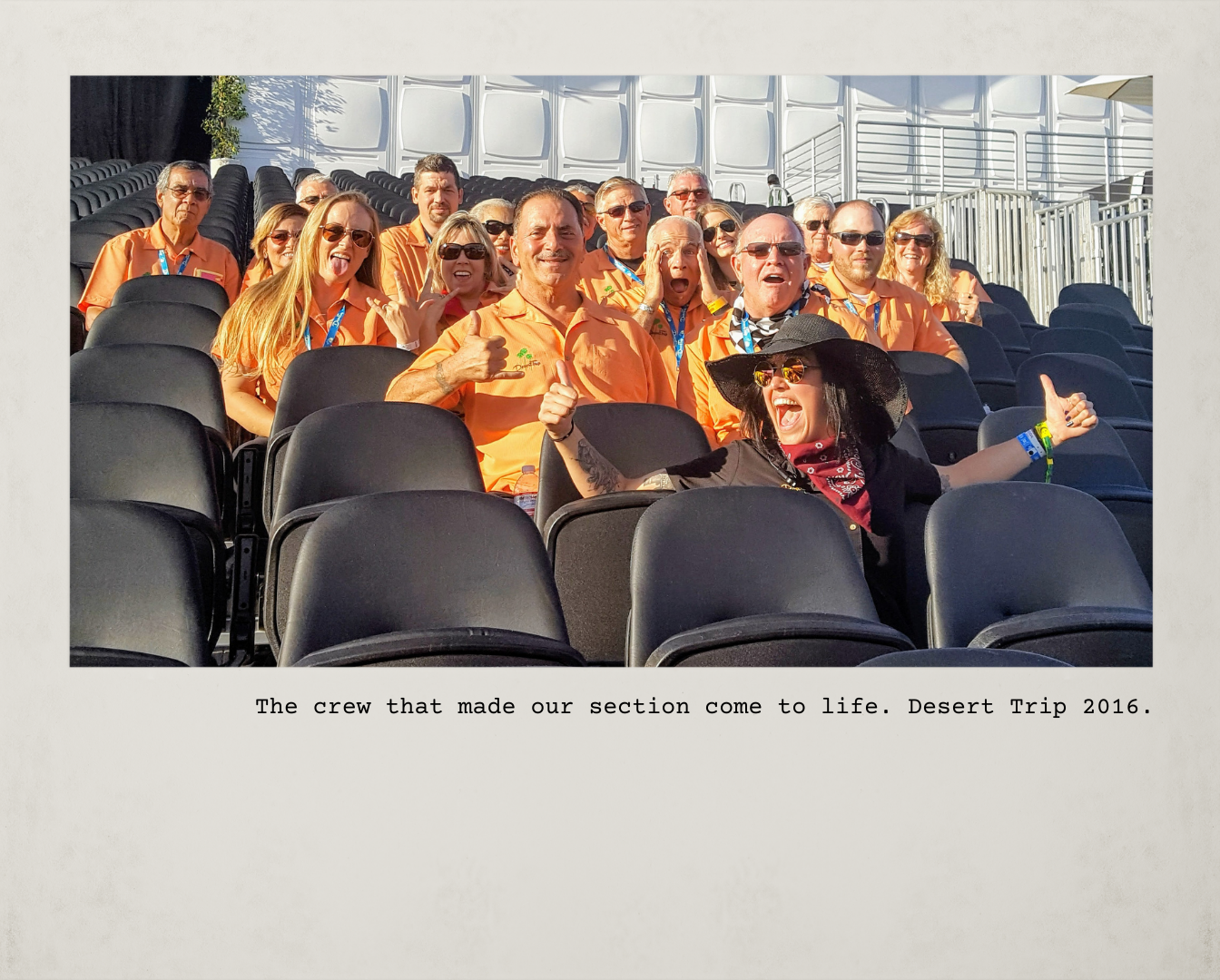
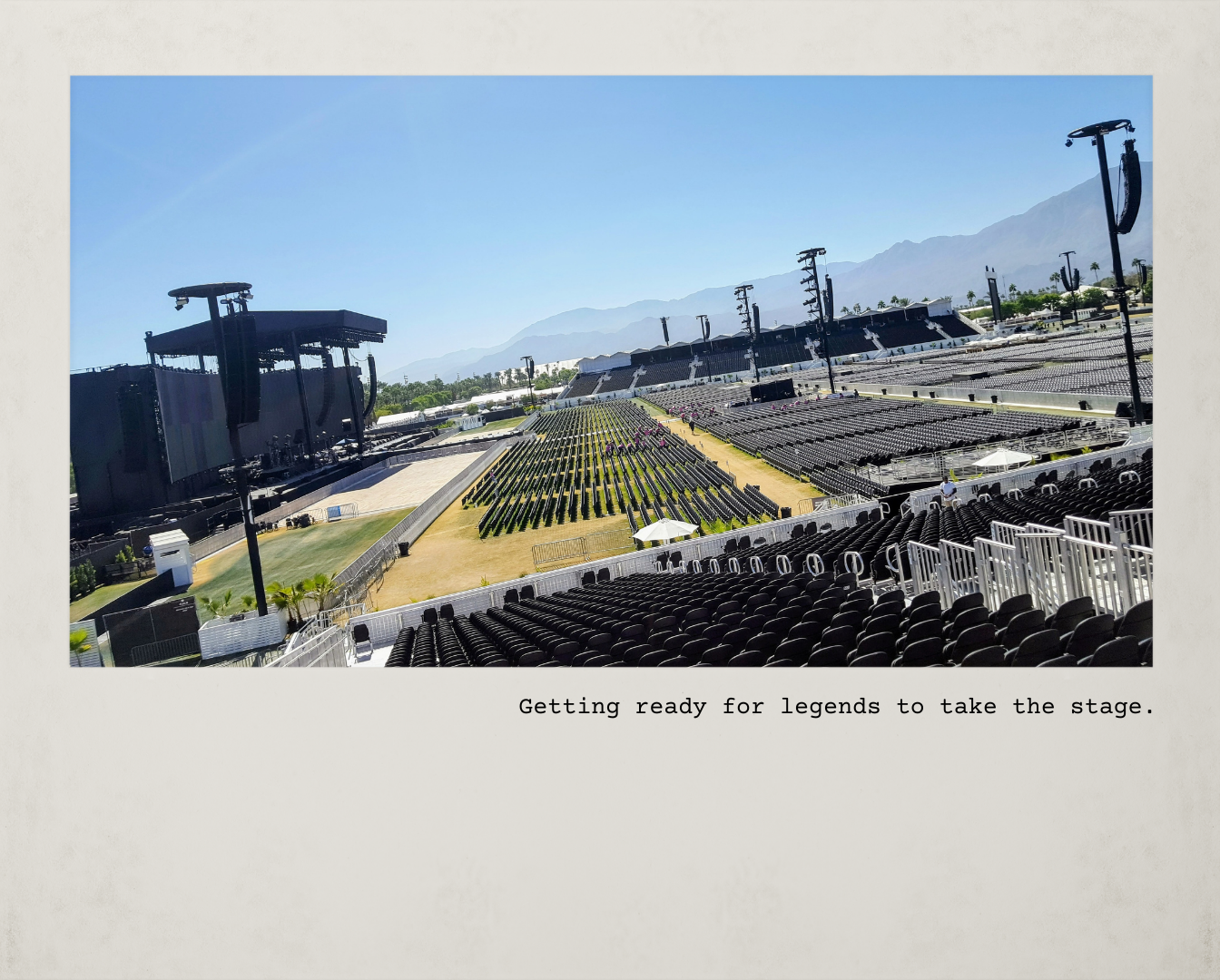
I saw this play out firsthand when I was hired to work Desert Trip, the legendary festival where building brand trust was essential for a seamless guest experience. The festival took place in Indio, California, on the polo fields and featured The Rolling Stones, Bob Dylan, Paul McCartney, Neil Young, Roger Waters, and The Who. They didn’t just hire me because I could do the job, they hired me because they trusted me to go the extra mile.
I was responsible for managing ushers in a high-stakes section where tickets cost upwards of $1,500 each. It wasn’t just about logistics; it was about making sure the experience lived up to the hype. The reason they trusted me with that responsibility? It was all about showing up, doing the work and doing it right.
Working Desert Trip taught me that building brand trust goes beyond logistics. it’s about creating a seamless experience that lives up to the hype. From the perfectly maintained festival grounds to the emphasis on creating a positive experience, Goldenvoice made sure that every detail felt intentional and high-quality.
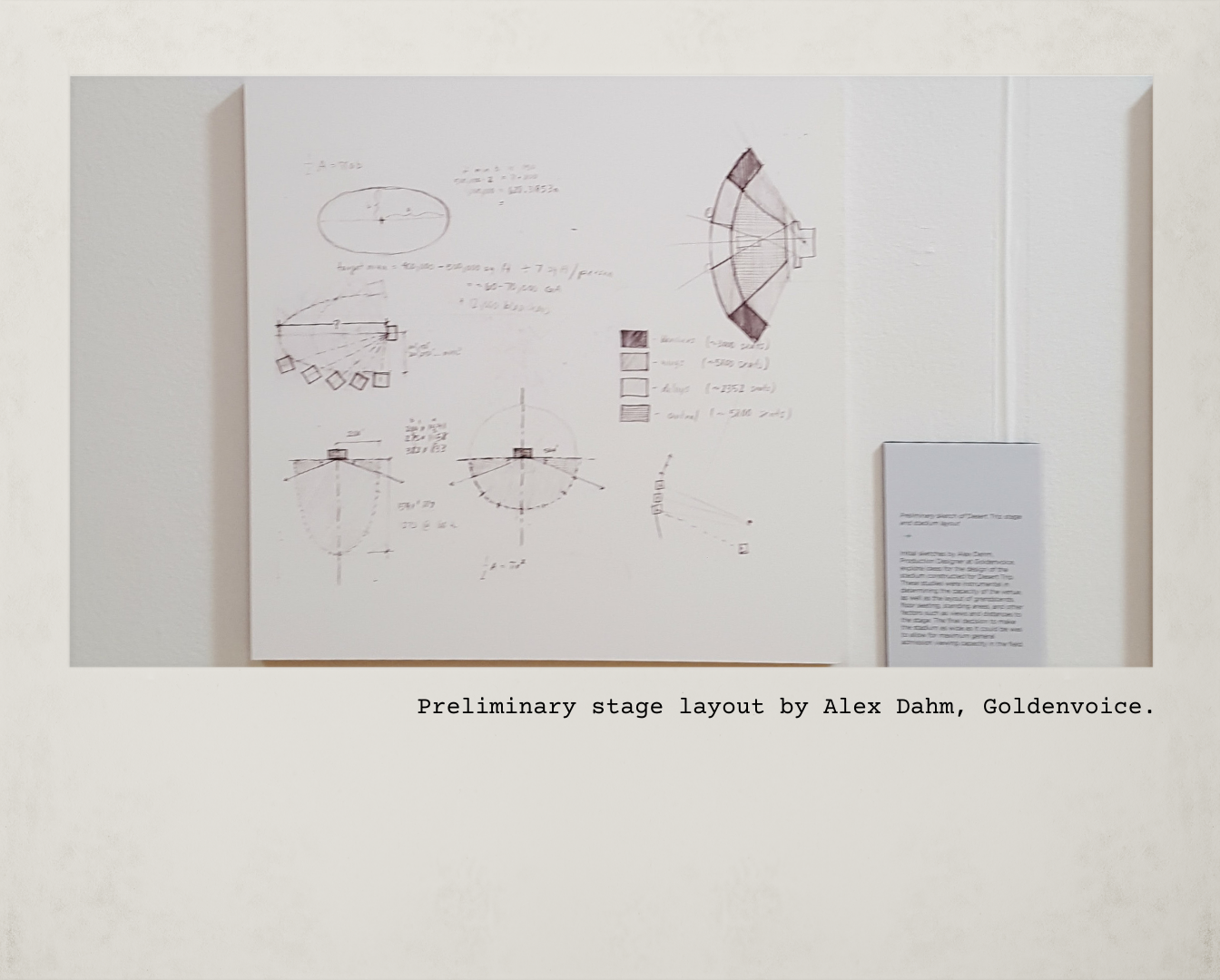
One of my favorite parts of exploring the grounds was the Photography Experience: a curated exhibit that showcased iconic rock photography. Seeing legendary moments captured by photographers like Ethan Russell and Henry Diltz felt like stepping into rock history. The preliminary sketch of the stage layout by Alex Dahm, Production Designer at Goldenvoice, was also on display, giving insight into the meticulous planning behind the scenes.
One of the standout elements of the staff management approach was the commitment to a positive atmosphere. From the start, we were instructed: Bad attitude? You're out. No ifs, ands, or buts. This zero-tolerance policy for negativity ensured that both the audience and staff experienced a welcoming, upbeat environment. It was a powerful reminder that setting a standard for positivity builds trust—not just among the crew but with the entire audience.
At Desert Trip, trust was actively cultivated through thoughtful presentation, attention to detail and a commitment to quality. It’s a lesson in how showing up with the right attitude and attention to detail can transform a massive production into a memorable, trust-building experience.




Society is in a weird place right now when it comes to building brand trust. Division is everywhere and tolerance feels like a thing of the past. It used to be that even if you didn’t see eye-to-eye, you could find common ground. Now, it feels like everyone is just drawing lines in the sand.
People are tired of the fake stuff: airbrushed images, empty promises and brands that just don’t feel real. We’re all looking for something that feels raw, genuine and grounded. That’s why trust is more important than ever. When people see that you’re being real, they connect with you. They believe in what you’re doing.
To see how we incorporate building brand trust into our client strategies, visit our What We Believe page.
• Be Human: Show the real people behind your brand. Share your story and let people in.
• Create a Value Statement: Be clear about why you’re doing what you’re doing. What motivates you?
• Be Raw and Real: In a world of polished perfection, authenticity stands out.
• Design with Intention: Make sure your visuals reflect your vibe, whether that’s edgy or calm.
• Show Proof: Share testimonials, client stories and genuine feedback.
• Keep it Personal: Build relationships that go beyond transactions.
I’m not saying metrics don’t matter. They do. But don’t get so wrapped up in data that you forget the human side. Numbers can tell you a lot but they don’t tell the whole story. I always say it’s like your favorite restaurant: you might go for the food, but you keep coming back because of the way the staff makes you feel.
At the end of the day, trust is more than a metric. It’s the reason people stick with you when there are a hundred other options out there. Build it, nurture it, and make it the center of your brand. When you do that, you’re not just tracking clicks, you’re building connections that last.